
 (843) 903-4953
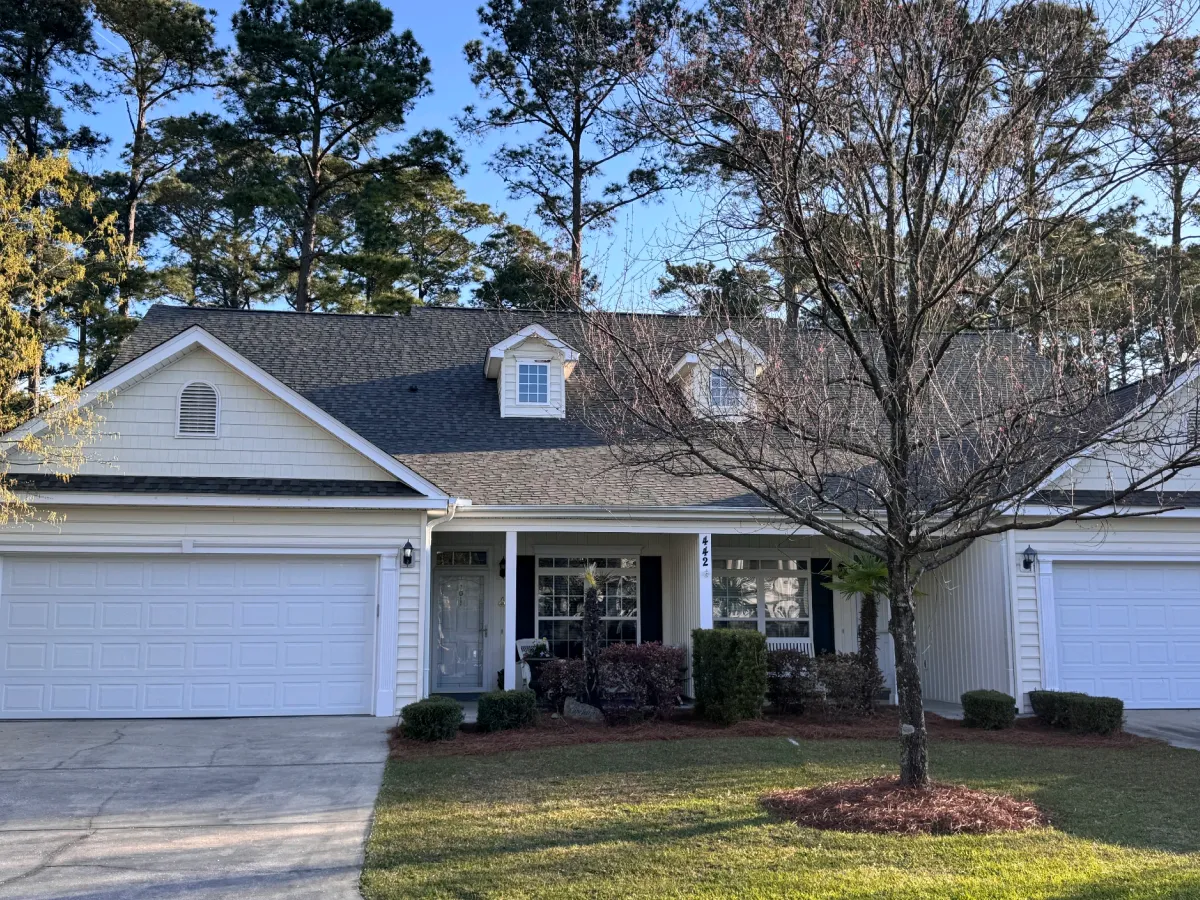
Why Garden City, SC Homes Need Specialized Roofing Care
Salt Air Corrosion: The Invisible Threat to Your Roof
Living along the South Carolina coast offers stunning ocean views and beach access, but it also exposes your home to environmental challenges that inland properties never face. Salt air corrosion is one of the most damaging yet often overlooked threats to roofs in Garden City. Unlike homes in Conway or other inland communities, coastal properties experience constant exposure to salt-laden ocean breezes that accelerate the deterioration of roofing materials.
Salt spray doesn’t just sit on the surface of your roof. It penetrates into every crevice, working its way into roofing nails, flashing, and metal components. Over time, this causes oxidation and rust that weakens the structural integrity of your roofing system. Nails lose their holding power, flashing develops gaps, and metal valleys begin to fail. What might seem like minor surface corrosion can quickly escalate into water infiltration, underlayment damage, and even structural rot in the roof decking.
The challenge intensifies during summer months when high humidity combines with salt air to create an even more corrosive environment. Homes located within a mile of the Atlantic face particularly aggressive conditions, with salt particles traveling on ocean winds and settling onto roof surfaces daily. This constant bombardment means that standard roofing materials designed for inland climates simply don’t hold up to the same lifespan expectations in Garden City.
That’s why selecting corrosion-resistant materials becomes critical for coastal homes. High-quality galvanized or stainless steel fasteners, properly sealed flashing systems, and roofing materials engineered for marine environments can extend your roof’s life by years. Metal roofing options, particularly standing seam systems, offer superior resistance to salt air when manufactured with appropriate protective coatings. Asphalt shingles designed with enhanced granule adhesion and algae-resistant properties also perform better in coastal conditions.
Regular inspections become even more important in salt air environments. What inland homeowners might check annually should be examined at least twice per year for coastal properties. Early detection of rust spots, loose fasteners, or compromised flashing allows for targeted repairs before minor issues become major replacements. If you notice any signs of corrosion or have concerns about your roof’s resilience to coastal conditions, consider scheduling a professional roof inspection to assess your system’s current condition and longevity.
High Wind Building Codes and Hurricane Preparedness
Garden City sits on the front line during hurricane season, facing the full force of Atlantic storms as they make landfall along the Grand Strand. This geographical reality means homes here require roofing systems built to withstand sustained winds of 110 mph or greater, with gusts potentially exceeding 140 mph during major hurricanes. The building codes in coastal South Carolina reflect these risks, mandating stricter installation standards and material ratings than inland communities.
High wind-rated shingles represent the minimum standard for coastal construction, but understanding what that rating actually means makes a significant difference in storm performance. Shingles must meet ASTM D7158 Class H wind resistance standards, which test their ability to resist uplift under extreme wind conditions. However, the shingles themselves are only part of the equation. The installation method, fastener placement, and underlayment system all contribute to whether your roof stays intact when hurricane-force winds arrive.
Proper fastening patterns become critical in high wind zones. Each shingle requires a specific number of nails placed in precise locations to achieve the manufacturer’s wind rating. Cutting corners during installation by using fewer fasteners or placing them incorrectly can void warranties and dramatically reduce wind resistance. Edge zones and ridge caps face the highest uplift forces and require additional fasteners and sealant to prevent the peeling action that starts roof failures during storms.
The underlayment layer provides a secondary defense that many homeowners overlook until it’s too late. Standard felt paper used in inland areas doesn’t provide adequate protection for coastal homes. Synthetic underlayments with enhanced tear resistance and waterproofing capabilities offer superior performance when wind-driven rain finds its way under lifted shingles. Self-adhering membranes along eaves, valleys, and penetrations create watertight seals that protect your home even if surface materials sustain damage.
Metal roofing systems offer distinct advantages in hurricane-prone areas due to their continuous attachment and interlocking panel design. When properly installed with structural fasteners penetrating into roof decking, metal roofs resist uplift forces that would tear away individual shingles. The absence of edges that can catch wind reduces vulnerability points across the roof surface. Standing seam systems, in particular, provide clip-based attachment that allows for thermal expansion while maintaining exceptional wind resistance.
Beyond materials and installation, the overall roof geometry affects storm performance. Hip roofs with four sloped sides handle high winds better than gable roofs with vertical end walls that catch wind like sails. Roof pitch influences wind loads, with steeper slopes experiencing different pressure patterns than low-slope designs. Overhangs create uplift zones that require reinforced attachment, and the transition between roof and wall represents a critical junction that must be properly sealed and fastened.
Storm preparation doesn’t end with quality installation. Regular maintenance ensures your roofing system maintains its design strength throughout its service life. Missing or damaged shingles, loose flashing, or deteriorated sealant all create entry points for wind and water. Scheduling pre-season inspections allows you to address vulnerabilities before they’re tested by hurricane conditions. When you need reliable protection that meets coastal building requirements, our roof replacement services ensure every component meets or exceeds local wind resistance standards with a 5-year workmanship warranty backing the installation quality.
Roofing Solutions for Vacation Rental Properties
Garden City’s rental property market presents unique roofing challenges that primary residence owners never encounter. Many properties serve as vacation rentals or second homes, with owners living out of state or even out of the country. This distance creates communication needs and maintenance requirements that differ significantly from traditional homeowner scenarios. When a roof issue develops, the property owner can’t simply walk outside to assess the situation or meet with contractors for in-person consultations.
Remote property management demands roofing contractors who understand the importance of clear, documented communication. Detailed photo documentation becomes essential, showing not just the problem areas but also the surrounding context that helps owners understand the scope of work. Written estimates need to explain not just what will be done, but why each step is necessary and how it addresses the specific issue. Video walkthroughs can bridge the distance gap, allowing owners to virtually see their roof condition and understand recommendations as if they were standing on-site.
Timeline predictability matters even more for rental properties than primary residences. A roof replacement that disrupts a booked rental season represents not just inconvenience but direct revenue loss. Coordinating work during off-peak periods, providing accurate completion schedules, and maintaining clear communication about any delays helps property owners plan around rental commitments. The ability to work efficiently without requiring constant on-site owner presence saves time and reduces the stress of long-distance property management.
Material selection for rental properties often balances different priorities than owner-occupied homes. Durability and low maintenance become paramount when the property won’t receive daily oversight. Roofing systems that resist algae growth maintain curb appeal without requiring frequent cleaning. Wind-resistant installations protect the investment during storms when the property might sit vacant. Materials that offer longer warranty periods reduce the likelihood of major expenses during peak ownership years.
Emergency response capabilities take on added importance for rental properties. A roof leak discovered by a guest on Friday evening of a holiday weekend requires immediate attention to protect both the property and the rental business reputation. Roofing contractors who offer responsive service and can coordinate with local property managers provide invaluable support for out-of-town owners. Having established relationships with reliable contractors before emergencies arise prevents the chaos of searching for help during a crisis.
Insurance coordination becomes more complex with rental properties, as coverage often differs from standard homeowner policies. Contractors familiar with rental property insurance requirements can provide documentation and damage assessments that support claims processing. Understanding the distinction between wear-and-tear maintenance and insurable damage helps owners navigate coverage questions and make informed decisions about repair versus replacement timing.
The financial structure of rental properties also influences roofing decisions. Many owners view these properties as investments and appreciate contractors who can explain how roofing choices affect property value, rental rates, and long-term return on investment. Energy-efficient roofing systems might command higher rental rates or reduce utility costs for properties with owner-paid utilities. Aesthetic choices that match neighborhood standards help properties compete in competitive rental markets.
When distance separates you from your Garden City property, working with roofing professionals who provide hassle-free service and detailed communication becomes essential. From initial assessments through project completion and final documentation, the right contractor partnership makes remote property management feel less remote. Whether you need routine maintenance or storm damage repairs, having a trusted local team ensures your investment receives the care it requires, even when you’re hundreds of miles away.
Metal vs. Shingle Roofing for Beach Homes
When selecting roofing materials for coastal properties in Garden City, homeowners face a critical decision between metal roofing systems and traditional asphalt shingles. Anderson Roofing Inc has served Garden City since 1993, guiding property owners from the Pier to the Inlet in determining which roofing solution aligns with their specific location, architectural vision, and long-term investment goals.Metal roofing delivers unmatched durability in coastal environments, with standing seam metal roofing offering superior resistance to storm damage and hurricane-force winds that routinely impact the South Carolina shoreline. Metal roofing materials withstand salt air corrosion effectively, demand minimal maintenance throughout their lifespan, and typically endure 40-70 years, representing a substantial long-term value for homeowners prioritizing performance. Metal panels additionally provide remarkable energy efficiency by reflecting solar heat, substantially reducing cooling expenses during South Carolina’s extended warm seasons.Asphalt shingles continue as the favored selection for homeowners desiring the traditional beach cottage aesthetic that characterizes Garden City’s coastal identity. Professional asphalt shingle installation delivers dependable protection while preserving the classic appearance for which Garden City neighborhoods are recognized. Shingle roofing offers excellent value with appropriate maintenance, though coastal conditions typically necessitate replacement every 15-25 years.Our three decades of Garden City service have revealed which local areas benefit most from each roofing material. Properties positioned closer to the oceanfront, particularly near the Garden City Pier, frequently achieve better performance with metal roofing due to elevated salt exposure and intensified wind conditions. Garden City homes located further inland, especially approaching the Inlet area, commonly select shingle roofing for its timeless beach cottage character and reduced initial investment.Metal roofing installation requires higher upfront investment compared to asphalt roof systems, though the extended service life and diminished maintenance demands often balance the greater initial expenditure. Contemporary metal roofing shingle options now deliver traditional aesthetics while providing modern performance advantages for homeowners seeking durability without compromising coastal visual appeal.The roofing professionals at Anderson Roofing Inc evaluate your particular Garden City property conditions and advise whether metal roof installation or shingle roof installation optimally serves your home’s architectural design, neighborhood aesthetic, financial parameters, and comprehensive roofing objectives. Both roofing materials demand proper installation by certified roofing contractors to ensure maximum performance and complete warranty protection.
Storm Damage Assessment and Prevention
Living along South Carolina’s beautiful coast comes with unique challenges for homeowners in Garden City, particularly when it comes to protecting your most valuable investment with proper roofing services. Garden City residents face a combination of salt air, high humidity, intense sun exposure, and seasonal storms that can accelerate roof deterioration. Understanding proper coastal roofing practices and working with experienced roofing contractors is essential for maintaining your home’s structural integrity and ensuring long-term protection against the elements.The coastal environment in Myrtle Beach and surrounding areas demands specialized roofing materials and installation techniques that differ significantly from inland properties. Salt-laden ocean breezes can corrode standard roofing components, while hurricane-force winds require enhanced fastening systems and impact-resistant materials. Additionally, the consistent moisture in coastal air creates ideal conditions for algae growth, mold development, and premature shingle degradation if proper preventative measures aren’t implemented during roof installation.Regular roof inspections become particularly critical in coastal areas like Garden City and Surfside Beach. Homeowners should schedule professional roof inspection services at least twice annually—preferably before and after hurricane season—to identify potential vulnerabilities before they escalate into costly roof repair services. These comprehensive inspections should examine not only visible shingle damage but also underlying structural components, flashing integrity, ventilation systems, and drainage efficiency to prevent water leaks and storm damage.Metal roofing installation has emerged as an increasingly popular choice for coastal properties due to its exceptional wind resistance, longevity, and ability to withstand salt air corrosion when properly coated. Standing seam metal roofing, in particular, offers superior performance in hurricane-prone regions like North Myrtle Beach and Pawleys Island, with interlocking panels that resist uplift and eliminate exposed fasteners that could compromise the system during severe weather events. Professional metal roofing contractors can provide durable roofing solutions that protect against wind damage and hail damage.For homeowners maintaining traditional asphalt shingle roofing, selecting products specifically rated for coastal applications is paramount. Look for asphalt shingles with enhanced wind ratings, algae-resistant granules, and impact resistance certifications. Proper shingle roof installation techniques—including adequate fastener placement, appropriate underlayment selection, and strategic attic venting—significantly extend roof lifespan in harsh coastal conditions and reduce the need for frequent shingle roof repairs.Immediate attention to storm damage roof repair prevents minor issues from developing into major structural problems requiring complete roof replacement. After significant weather events, carefully inspect your roof for missing or damaged shingles, broken shingles, compromised flashing, debris accumulation, and signs of water intrusion. Professional roofing contractors in Myrtle Beach possess the expertise and safety equipment necessary to conduct thorough post-storm assessments and execute residential roof replacement or commercial roof repair that maintains your roof’s warranty coverage and protective capabilities. Schedule your free roof inspection today to ensure your coastal property remains protected.
